
By: Rahul Dutta
Posted on: 06 Sep 2026
The return of 39 Naga ancestral human remains from the Pitt Rivers Museum (PRM), University of Oxford, moved closer to reality following a formal decision by the University of Oxford Council to repatriate the remains to Nagaland.
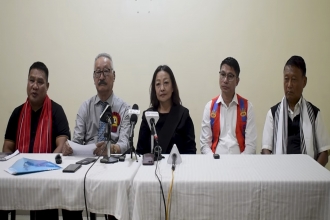
The development was shared at a press conference held by the Forum for Naga Reconciliation (FNR) and its Recover, Restore and Decolonise (RRaD) team at Lighthouse Church, Hillview Colony, Dimapur, on Saturday. The press conference was led by FNR Convenor Rev. Dr. Wati Aier.
According to the FNR, the University of Oxford Council formally agreed on July 13, 2026, to return the 39 Naga ancestral remains currently held at the Pitt Rivers Museum in the United Kingdom.
The repatriation process has been under discussion for six years. In 2020, PRM Director Prof. Laura Van Broekhoven approached the FNR to facilitate and support the process. Subsequently, the FNR, along with Naga academics Dolly Kikon and Arkotong Longkumer, established the RRaD research initiative to work towards the return of the remains.
The initiative has since engaged with Naga tribal hohos, civil society organisations, church leaders, students and communities across the Naga homeland to create awareness and build wider participation around the repatriation process.
A significant step was taken in June 2025, when Naga tribal hoho leaders, elders and representatives of the FNR and RRaD travelled to the Pitt Rivers Museum to see and bear witness to the ancestral remains. The June 9–13 visit resulted in the Naga Oxford Declaration on Repatriation, which called for the dignified return of the ancestors and recognised repatriation as part of a wider process of healing, justice and reconciliation.
The FNR said a Naga delegation led by tribal hoho leaders, along with representatives of FNR-RRaD, will travel to the Pitt Rivers Museum to formally claim and bring the ancestral remains back to the Naga homeland.
Welcoming the Oxford Council's decision, the FNR said the repatriation represents more than the physical return of ancestral remains. It described the process as the return of memory and an important step towards healing, dignity and wholeness among the Naga people.
The FNR and Naga tribal hohos also expressed solidarity with Indigenous communities around the world pursuing similar repatriation efforts, describing the process as part of a broader journey towards decolonisation, justice and peace.
With the University of Oxford's decision, the six-year effort to bring the 39 Naga ancestral remains home has entered a new phase, with the physical repatriation now set to follow.